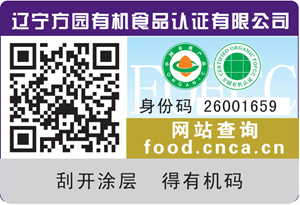
In recent years, China's organic industry has experienced rapid development. To promote the sustained and healthy development of organic production, starting from March 1, 2012, in accordance with relevant regulations, organic product manufacturers were required to affix the national organic product certification mark along with its unique number (organic code), the name of the certification body or its logo, on the organic products sold or on the smallest sales packaging of the products — one product, one code. That year, this new organic “policy” was dubbed by the media as the “strictest ever” organic standard. Two years since its implementation, the “new policy” has forcefully cracked down on illegal activities in the sales of organic products and purified the organic product market. However, in the actual work of FOFCC, it was found that as the issuance volume of “organic anti-counterfeiting code labels” gradually increased, there were more and more comments and suggestions in the market regarding the inconvenience of querying organic codes or the rigid and inflexible query methods. Therefore, in early 2014, FOFCC issued a survey to all certified enterprises regarding the demand for enabling QR code “organic anti-counterfeiting code labels,” and actively communicated with our organization's “organic anti-counterfeiting code label” production unit regarding the implementation plan for QR code “organic anti-counterfeiting code labels.” On April 16, 2014, FOFCC issued the first batch of QR code “organic anti-counterfeiting code labels” to our organization's certified organization — Bei'an Yipin Nuka Dairy Co., Ltd. Compared with the old version of “organic anti-counterfeiting code labels,” which required manual entry of a 17-digit number for queries, consumers can now scan the QR code to query information such as the certification information and certificate validity of organic products. It is expected that in the future, it may also be possible to query relevant information on production, processing, transportation, warehousing, and sales stages, further improving the portability, utilization rate, and timeliness of queries.Artikel berasal dariFOFCC-http://fofcc.org.cn/ms/11460/
fofcc
- Kandungan
- 繁
-

Kod QR halaman ini